2026-09-24
Are Cataract Surgery Results Permanent?
Cataract surgery provides permanent vision restoration because the removed lens cannot regrow. Learn how secondary cataracts (PCO) develop and are permanently treated with a painless YAG laser.
Hello. This is St. Mary's Jin Eye Clinic, setting clear standards for SMILE, All-Laser LASEK, and cataract surgery.
During cataract consultations in the clinic, there is a common concern that many patients frequently ask about.
"Doctor, does cataract surgery last for a lifetime once I get it? What if it recurs later?"
Today, based on ophthalmological evidence and medical literature, we will clearly explain the 'permanence of cataract surgery' and 'posterior capsular opacification (secondary cataract)', which is the primary cause of decreased vision that can occur after surgery.
1. Are the effects of cataract surgery permanent?
To get straight to the point, the results of cataract surgery are permanent.
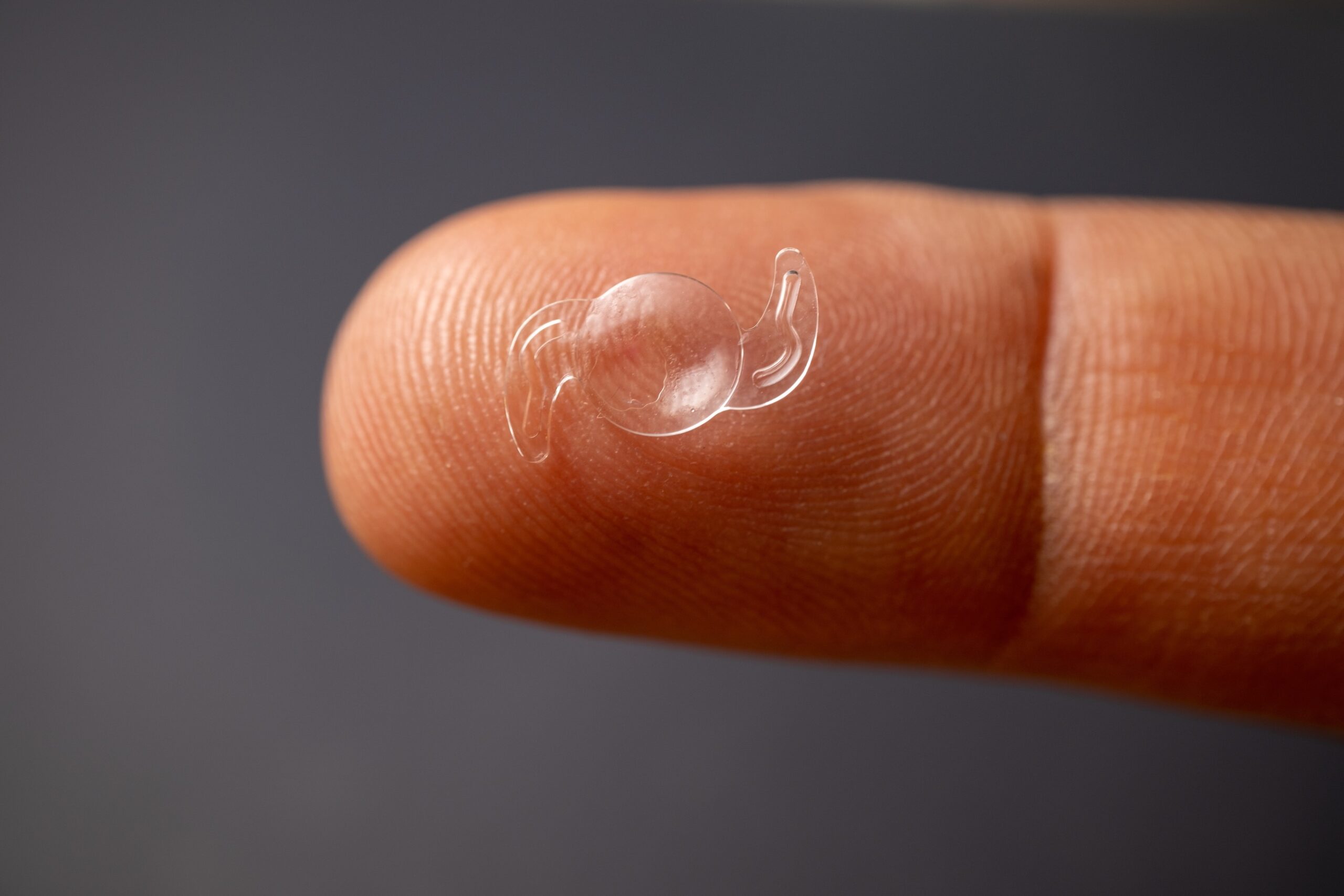
Cataract surgery is a procedure that completely removes the cloudy natural crystalline lens and replaces it with a clear intraocular lens (IOL).
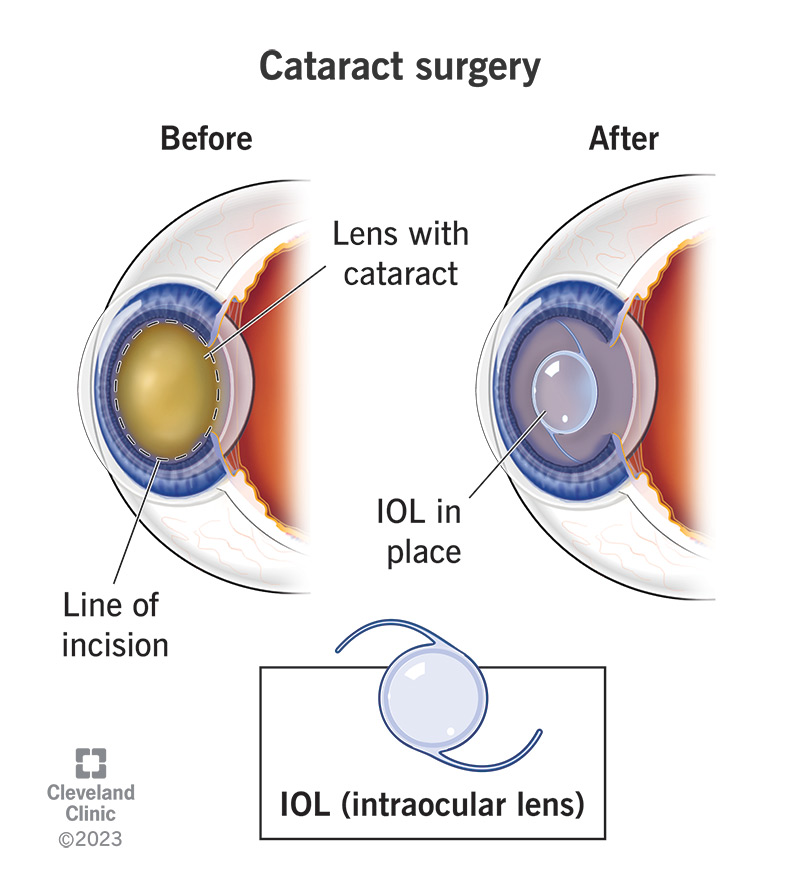
The original lens that has been removed does not regenerate within the human body, and the newly inserted plastic or acrylic intraocular lens also does not deteriorate over time.
Therefore, it is medically impossible for a 'true cataract' to recur after surgery.
2. What if your vision becomes cloudy again a few years after surgery?
When we explain that cataracts do not recur, some patients occasionally ask:
"An acquaintance of mine said their vision became hazy again a few years after their surgery?"
This is not a recurrence of the cataract itself, but rather a natural healing response known in ophthalmology as Posterior Capsular Opacification (PCO), or a 'secondary cataract.'
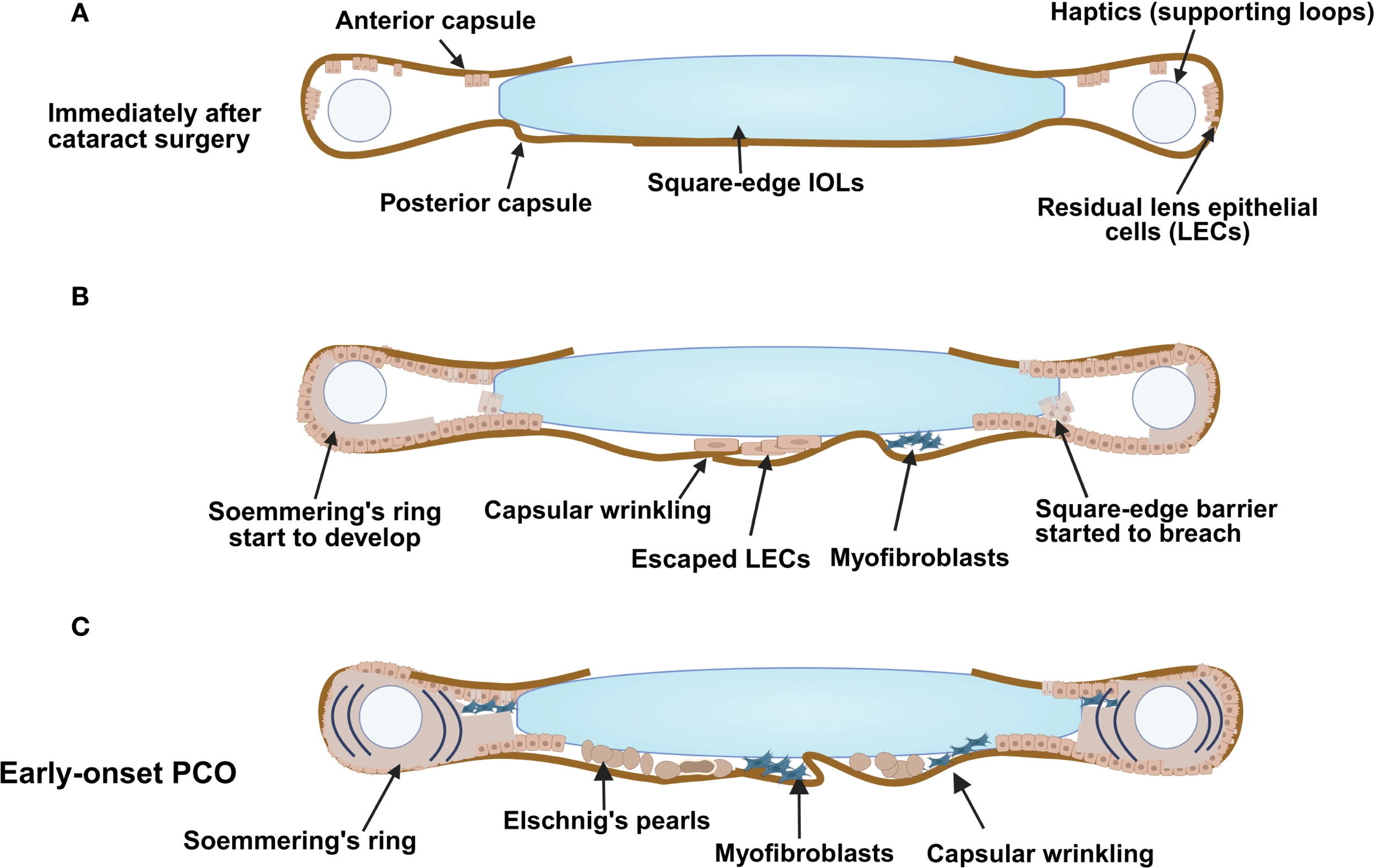
Pathogenesis of Posterior Capsular Opacification (PCO)
During cataract surgery, surgeons leave behind the 'posterior capsule'—the thin, sac-like membrane that originally surrounded the natural lens—to securely hold the new intraocular lens in place.
The issue is that a minimal number of lens epithelial cells remaining on this posterior capsule can migrate behind the lens over time, proliferate, and form a cloudy membrane.
According to research published in journals such as the Journal of the Korean Ophthalmological Society (JKOS), this is an extremely common complication occurring in about 20% to 50% of patients within 5 years following cataract surgery.
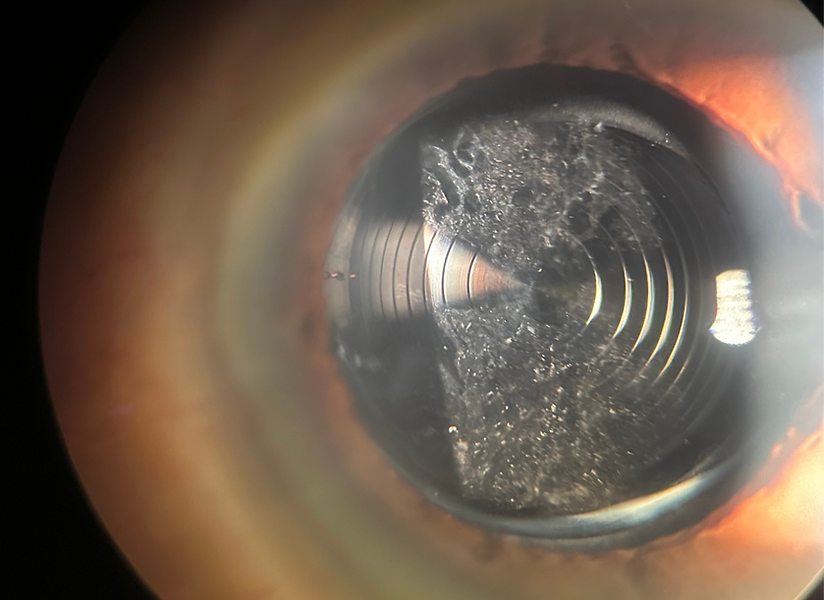
Main Symptoms of Posterior Capsular Opacification
Vision becoming hazy again, as if looking through fog
Increased night glare and halos around lights
Decreased contrast sensitivity, making objects appear less defined
3. Treatment for Secondary Cataract: YAG Laser
Developing a secondary cataract does not mean you need another complex surgery involving eye incisions.
It can be completely resolved with a very straightforward outpatient procedure known as Nd:YAG Laser Capsulotomy.
The YAG laser takes only about 10 seconds and is an entirely painless, simple procedure.
Non-invasive, quick procedure: After applying local anesthetic eye drops, a laser is used to create a microscopic opening in the center of the cloudy posterior capsule to allow light through. The procedure is very brief, taking just 1 to 5 minutes.
Immediate visual recovery: There is no bleeding or pain, and light can clearly pass through immediately following the procedure, restoring the clear vision provided by the intraocular lens right away.
Permanent solution: The opening made in the posterior capsule with the laser will not close back up. Therefore, posterior capsular opacification will never recur, making this laser treatment a permanent solution.
4. Lifelong Clear Vision: Post-Operative Care Is Key
Cataract surgery is an exceptional treatment that delivers permanent visual improvement with just a single procedure. However, consistent and routine ophthalmic checkups after surgery are essential to detect and safely address potential post-operative issues early, such as posterior capsular opacification, dry eye syndrome, and other refractive changes.
St. Mary's Jin Eye Clinic goes beyond simply performing cataract removal.
From the precise implantation of premium intraocular lenses to thorough post-operative care utilizing the YAG laser, we take full responsibility for your lifelong eye health.
With university-hospital-grade advanced equipment leading the way in SMILE and All-Laser LASEK, along with extensive clinical expertise, we strive to deliver the best visual outcomes.
If you have any further questions about cataract surgery or are experiencing blurry vision, please feel free to reach out to St. Mary's Jin Eye Clinic at any time.
Frequently Asked Questions
Do the effects of cataract surgery last for a lifetime?
Yes, the effects of cataract surgery are permanent. Because the clouded natural lens is completely removed and replaced with an artificial intraocular lens (such as acrylic) that does not deteriorate over time, it is medically impossible for a cataract to recur once removed.
Why does vision become cloudy again after cataract surgery?
This is caused by posterior capsular opacification, commonly referred to as a secondary cataract. A small number of lens epithelial cells remaining on the posterior capsule left to support the IOL can proliferate and form a cloudy membrane, leading to hazy vision or glare resembling fog.
How common is a secondary cataract?
Studies show it is very common, occurring in approximately 20% to 50% of surgical patients. According to research published in the Journal of the Korean Ophthalmological Society, it is a relatively frequent and natural healing response within 5 years after cataract surgery.
Does secondary cataract require repeat surgery?
No, an invasive repeat surgery with incisions is not required. With an Nd:YAG laser procedure performed in an outpatient setting in just 1 to 5 minutes under topical anesthetic drops, the cloudy capsule can be simply opened without pain or bleeding, providing immediate visual restoration.
Can a secondary cataract recur after YAG laser treatment?
No, it does not recur after YAG laser capsulotomy. The optical pathway created in the posterior capsule by the laser does not close again, resolving posterior capsular opacification permanently and allowing you to maintain clear vision without concern for another recurrence.